
The Kunjapuri Temple Experience: A Journey of Spirit and Splendor
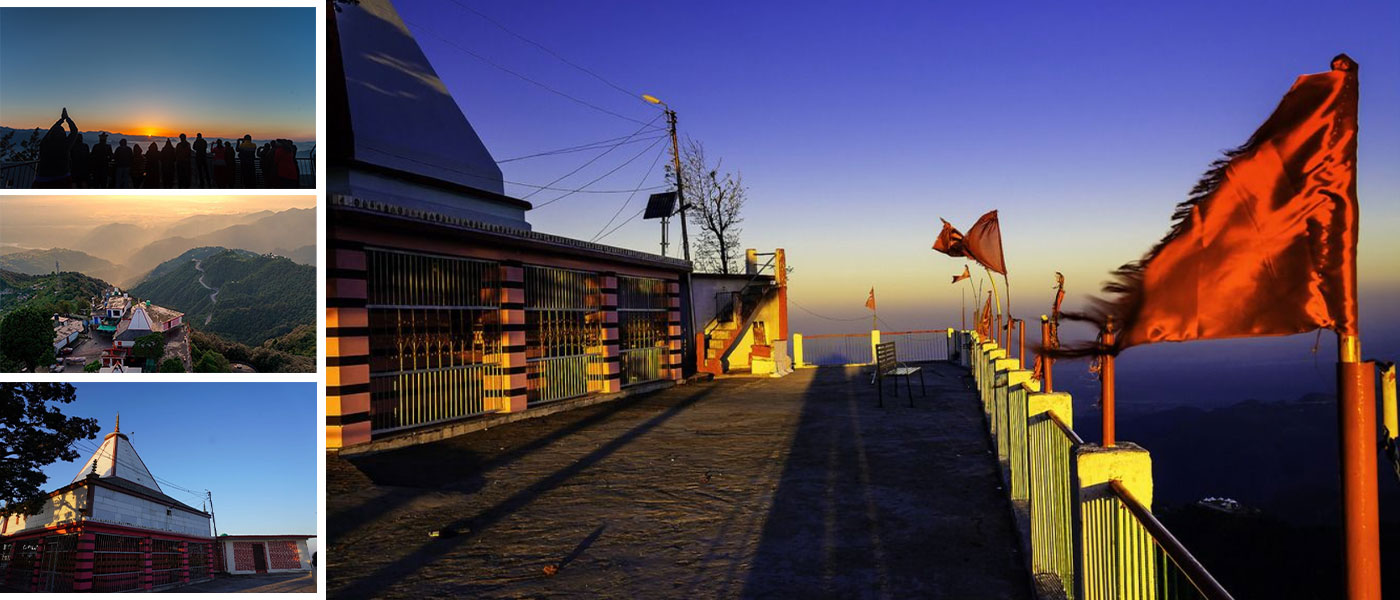
Perched majestically at an altitude of 1,676 meters atop a jagged peak in the Shivalik range, the Kunjapuri Devi Temple is far more than a religious landmark—it is a sensory bridge between the earthly and the divine. As one of the 52 sacred Shakti Peethas, the temple marks the spot where the chest of Goddess Sati is believed to have fallen. This spiritual legacy infuses the air with a palpable sense of peace, drawing seekers who climb the nearly 300 steps not just for the merit of pilgrimage, but for the profound silence that permeates the hilltop. The temple complex itself, though modest in its traditional Pahadi architecture, resonates with the rhythmic chime of brass bells and the flutter of red prayer flags, creating a sanctuary that feels miles above the bustle of the valley below.
The true crescendo of a Kunjapuri tour is the legendary sunrise experience. Most travelers depart from Rishikesh in the pre-dawn hours to reach the summit before the first light. As the sun ascends from behind the horizon, it performs a dramatic alchemy, painting the snow-capped giants of the Garhwal Himalayas—including Swargarohini, Gangotri, Chaukhamba, and Bandarpunch—in shifting shades of violet, orange, and brilliant gold. To the south, the view is equally captivating, offering a sprawling panorama of the Ganga river snaking through the plains, with the distant lights of Rishikesh and Haridwar slowly fading into the morning mist.
For those seeking adventure alongside introspection, the downhill trek back toward the valley offers an intimate encounter with the region's natural beauty. The approximately 8–9 km trail winds through dense forests of oak and rhododendron, passing through quiet mountain hamlets where traditional life continues unchanged. The journey often culminates at the refreshing Neer Garh Waterfalls, where the cool mountain springs provide a perfect natural conclusion to the expedition. Whether you visit for the deep-rooted mythology or the unparalleled Himalayan vistas, Kunjapuri remains a quintessential experience for anyone looking to capture the true essence of Uttarakhand.
Sacred Origins and Historical Tapestry :-
The historical and mythological foundations of Kunjapuri Devi Temple are deeply intertwined with the Puranas and the ancient heritage of the Tehri Garhwal region. As a cornerstone of the spiritual landscape of Uttarakhand, the temple’s history spans from Vedic legends to its role as a sentinel of the Shivalik hills.
The Mythological Foundation :-
The temple is revered as a Siddha Peetha, a place of cosmic energy and realized prayers. According to Hindu mythology, during the Daksha Yajna, Sati (the first consort of Lord Shiva) immolated herself after her father insulted Shiva. In his profound grief and rage, Shiva performed the Tandava while carrying Sati’s body. To restore cosmic balance, Lord Vishnu used his Sudarshana Chakra to dismember the body into 51 pieces (some traditions say 52) which fell across the Indian subcontinent. It is firmly established in local lore that the upper body (Kunja) of the Goddess fell at this very summit, giving the temple its name and its status as a site of immense feminine power (Shakti).
The Royal Connection: For centuries, the temple was a site of patronage for the Kings of Tehri. It functioned not only as a religious hub but also as a strategic lookout point due to its 360-degree command over the surrounding valleys and the movement along the Ganges.
Architectural Evolution: While the current structure has undergone modern renovations to accommodate the increasing influx of pilgrims, the sanctum sanctorum retains the traditional simplicity of hill shrines. Unlike the grand stone temples of the plains, Kunjapuri emphasizes the "Darshan" of the natural landscape, mirroring the belief that the Himalayas themselves are the abode of the gods.
The Ascent of 300 Steps :-
The final approach to the temple requires a climb of approximately 300 concrete steps. This ascent is viewed by many as a physical transition from the material world to the spiritual. Along the path, small shrines dedicated to Lord Bhairav (the protector) and other deities prepare the pilgrim for the main sanctum. The stairs are lined with bells donated by devotees whose prayers were answered, creating a resonant "symphony of gratitude" that echoes through the mountain air.
The Inner Sanctum :-
Inside the main temple, there is no traditional idol of the Goddess. Instead, worshippers pay homage to a natural stone formation (the Pindi), which is believed to be the manifestation of the Goddess herself. This form of "Aniconic" worship is a hallmark of the oldest Shakti temples in the Himalayas, emphasizing the raw, elemental power of nature.
Festivals and Modern Observances :-
The temple reaches its peak of spiritual vibrancy during the Navaratri festivals (occurring twice a year). During these nine nights, thousands of devotees from across Uttarakhand trek to the summit to participate in special Aartis and Hawans. The atmosphere during these times is electric, filled with folk music, traditional Garhwali chants, and a deep sense of communal devotion that has remained unchanged for generations.