
Raja Ji National Park Safari In Rishikesh
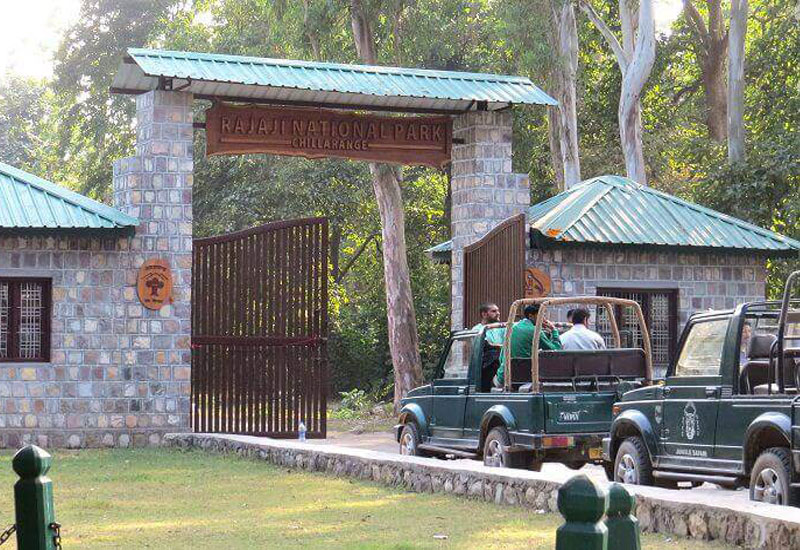
-- Located in the foothills of the Himalayas, between the towns of Haridwar and Rishikesh, Rajaji National Park is a pristine wildlife sanctuary offering an extraordinary experience for nature lovers, wildlife enthusiasts, and adventure seekers. Covering over 1,000 square kilometers, the park is home to a rich diversity of flora and fauna, including tigers, elephants, leopards, and more than 300 species of birds. A safari through Rajaji National Park is a thrilling journey into the heart of the wild.
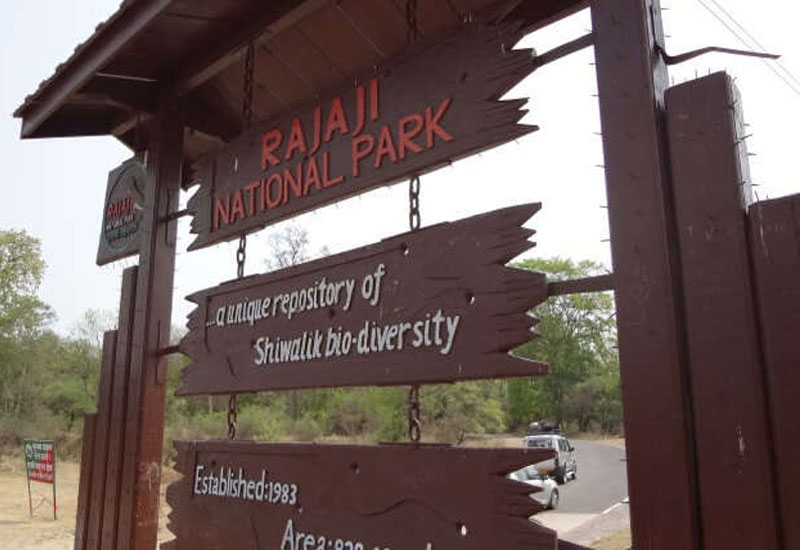
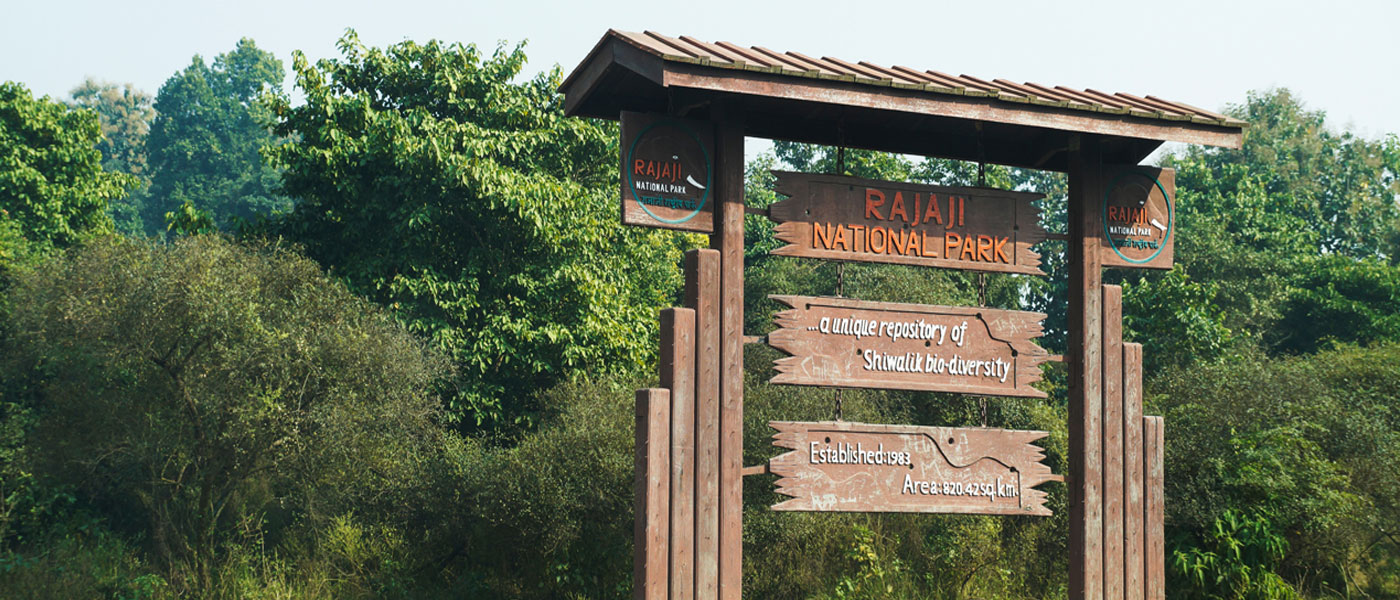
-- Spanning 822 square kilometers, Rajaji National Park includes both a protected core area and the surrounding buffer zone. It stretches across three districts of Uttarakhand—Haridwar, Dehradun, and Pauri Garhwal. The park is named after C. Rajagopalachari, an Indian politician and leader of the Indian National Congress. Later, it was designated as Rajaji Tiger Reserve due to its significant population of tigers.
-- Rajaji Tiger Reserve is situated approximately 244 kilometers from Delhi and is home to over 500 elephants, 12 tigers, and 250 leopards. The park also shelters various species of deer, sloth bears, and Himalayan yellow-throated martens, along with more than 400 species of birds.
A Wild Adventure in the Heart of Nature
-- Located in the foothills of the Himalayas, between the towns of Haridwar and Rishikesh, Raja Ji National Park is a pristine wildlife sanctuary that offers a spectacular experience for nature lovers, wildlife enthusiasts, and adventure seekers. The park is spread over 1,000 square kilometers and is home to a rich variety of flora and fauna, including tigers, elephants, leopards, and over 300 species of birds. A safari through Raja Ji National Park is an unforgettable journey into the wild.
Highlights of Raja Ji National Park Safari:
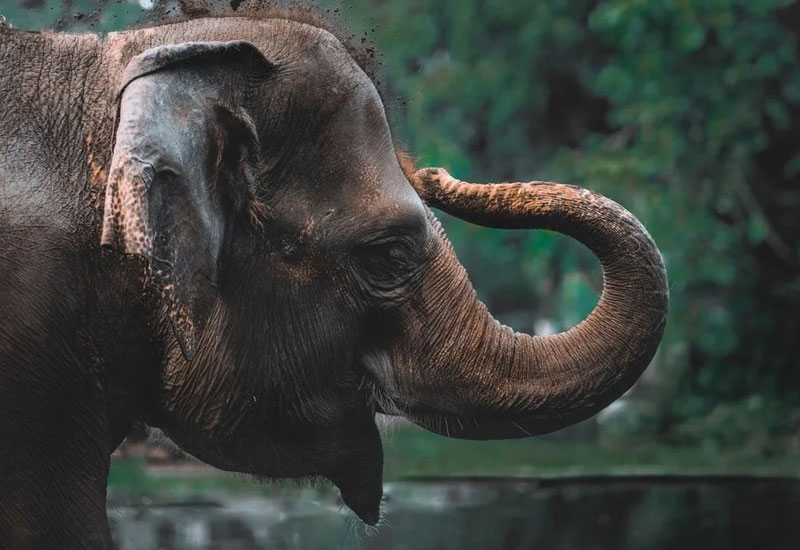
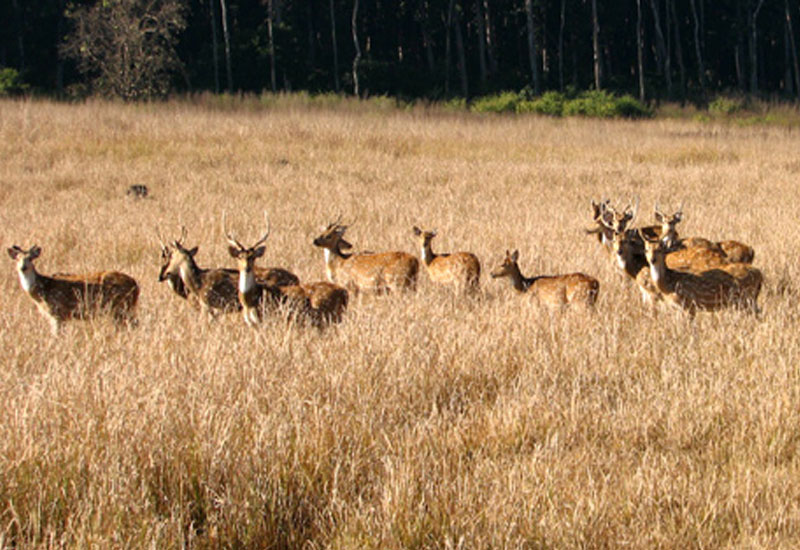
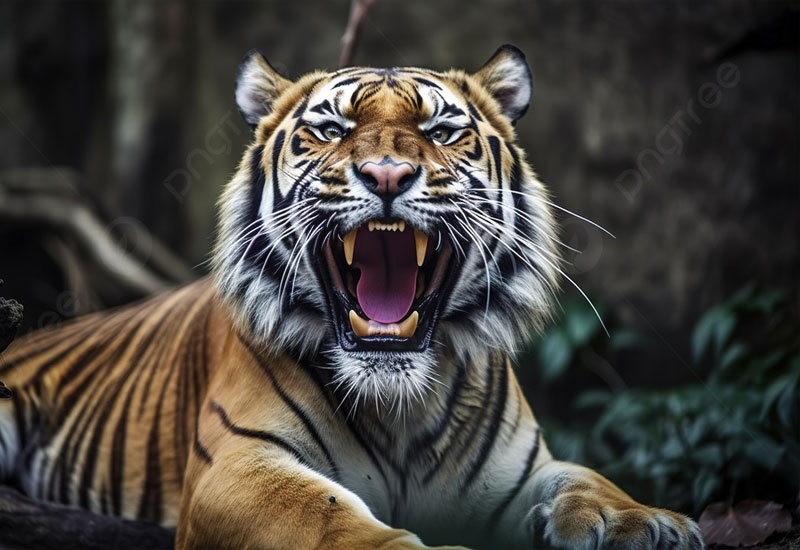
-- Diverse Wildlife: Raja Ji is home to an impressive array of wildlife. The park is famous for its elephant population, and visitors may catch a glimpse of Asian elephants in their natural habitat. Other animals include Royal Bengal tigers, leopards, deer (such as chital and sambar), wild boars, monkeys, and sloth bears.
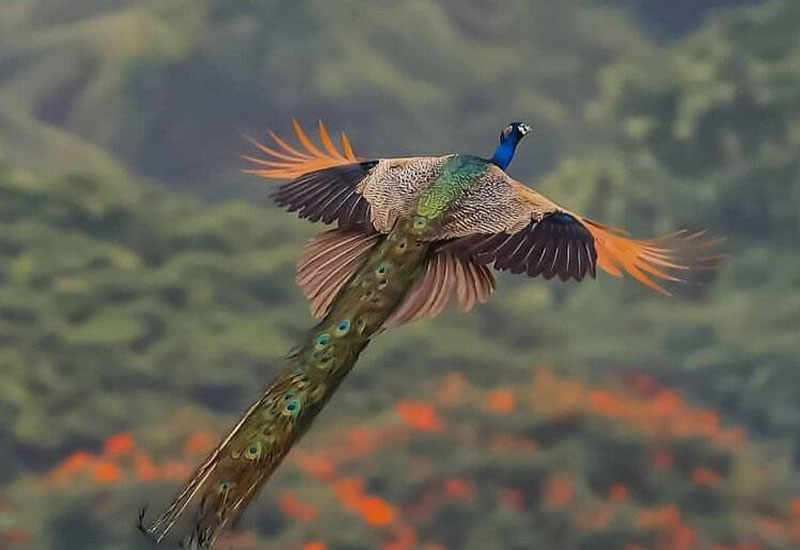
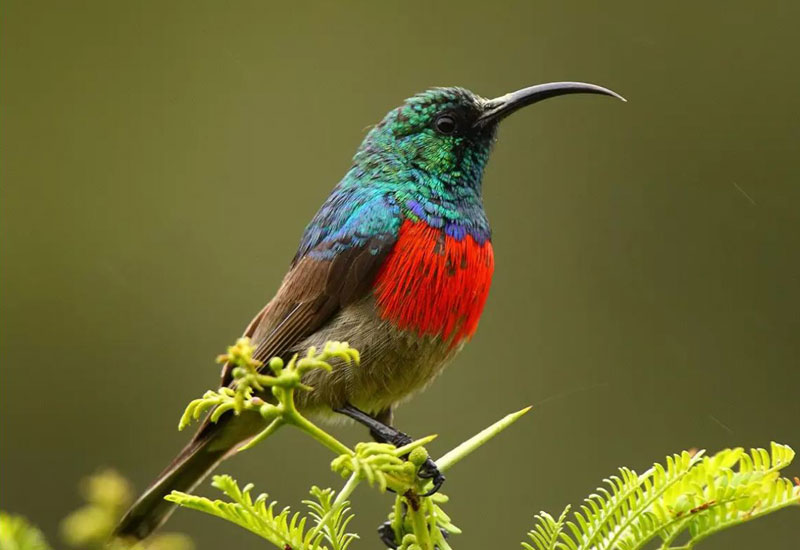
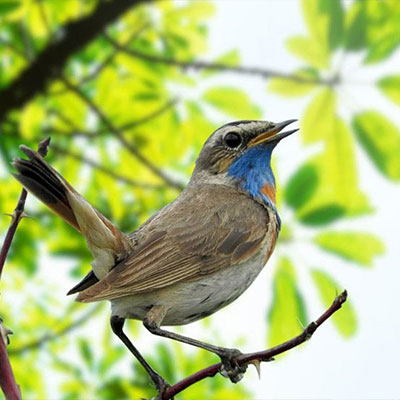
-- Birdwatcher's Paradise: The park is a haven for birdwatchers, with over 300 species of birds recorded. You might spot migratory birds like the Siberian crane in winter, along with hornbills, eagles, kingfishers, and parakeets. The riverside habitats are particularly rich in avian diversity.
-- Scenic Landscapes: Raja Ji National Park offers an incredible mix of landscapes—from dense forests to rolling grasslands, tranquil riverbanks along the Ganga River, and mountainous terrain. The park's beauty is enhanced by its location, with the majestic Himalayas in the backdrop, creating a peaceful and awe-inspiring atmosphere.
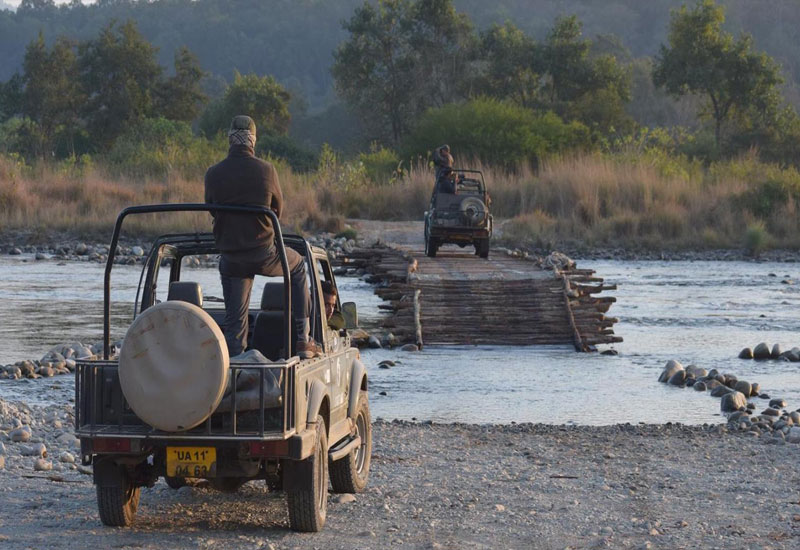
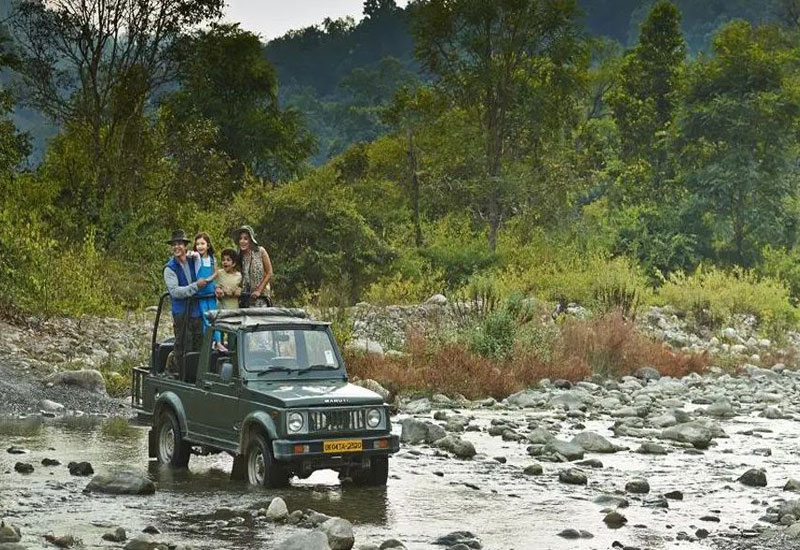
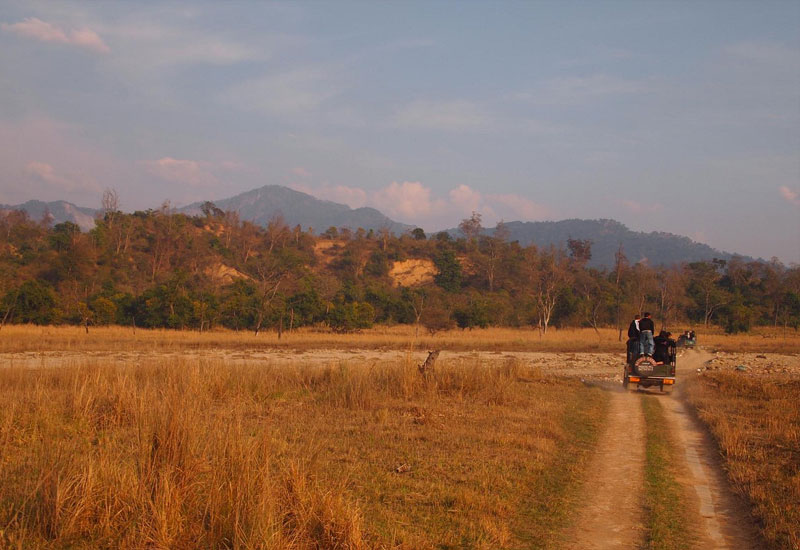
-- Jeep Safari and Elephant Safari: The most popular way to explore Raja Ji National Park is on a jeep safari. Accompanied by expert naturalists and guides, you can venture deep into the park and explore its varied ecosystems. For those looking for a more unique experience, elephant safaris are also available, giving you a closer look at the wildlife from the vantage point of these magnificent animals.
-- River Safari: Some parts of the park are accessible by boat along the Ganga River, providing a chance to view wildlife from a different perspective. You can float by riverbanks where animals like crocodiles and dolphins (in rare cases) are often spotted.
-- Rich Flora: The park is rich in vegetation and plant life, with dense forests of sal trees, bamboo, and various other tropical and subtropical species. In the higher regions, the flora transitions into oak and deodar forests, creating a rich and varied environment for the wildlife that resides here.
-- Eco-Tourism and Conservation Efforts: Raja Ji National Park is part of the Rajaji Tiger Reserve, which is actively involved in conservation efforts, particularly for the Bengal tiger and elephant populations. The park aims to provide an eco-friendly safari experience while promoting awareness about wildlife preservation.
-- Best Time to Visit: The ideal time for a safari in Raja Ji National Park is from November to June. The weather during these months is cooler, and wildlife sightings are more frequent. The monsoon season (July to September) is not recommended due to the possibility of flooding and slippery roads.
-- Tranquility and Solitude: Unlike the more crowded wildlife parks in India, Raja Ji offers a sense of peace and seclusion. The vastness of the park and the less commercialized nature of the safari experience allow for a more intimate encounter with the wilderness.
-- Accessibility: Raja Ji National Park is easily accessible from Rishikesh (about 20 km) and Haridwar (about 8 km). It can be reached by car or taxi, and various tour operators in Rishikesh and Haridwar offer guided safaris and packages for visitors.
Safari Tips:
-- Wear comfortable, neutral-colored clothing for safaris to blend into the environment.
-- Always carry binoculars and a camera for wildlife spotting and photography.
-- Make sure to book your safari in advance, especially during the peak seasons.
-- Carry water, snacks, and sunscreen to stay comfortable during the safari.
A safari in Raja Ji National Park offers an exciting and enriching experience, combining adventure with the serenity of nature and a chance to witness wildlife in one of India’s most beautiful natural settings.












Our services are tailored to meet your needs.
Forget the weather, fatigue, and worries—this is your time to relax, rejuvenate, and reconnect with yourself. From luxury to luxurious, every moment at our homestay is dedicated to your wellness. Indulge in our exclusive treatments and embrace a new level of vitality.
Connect With Us